
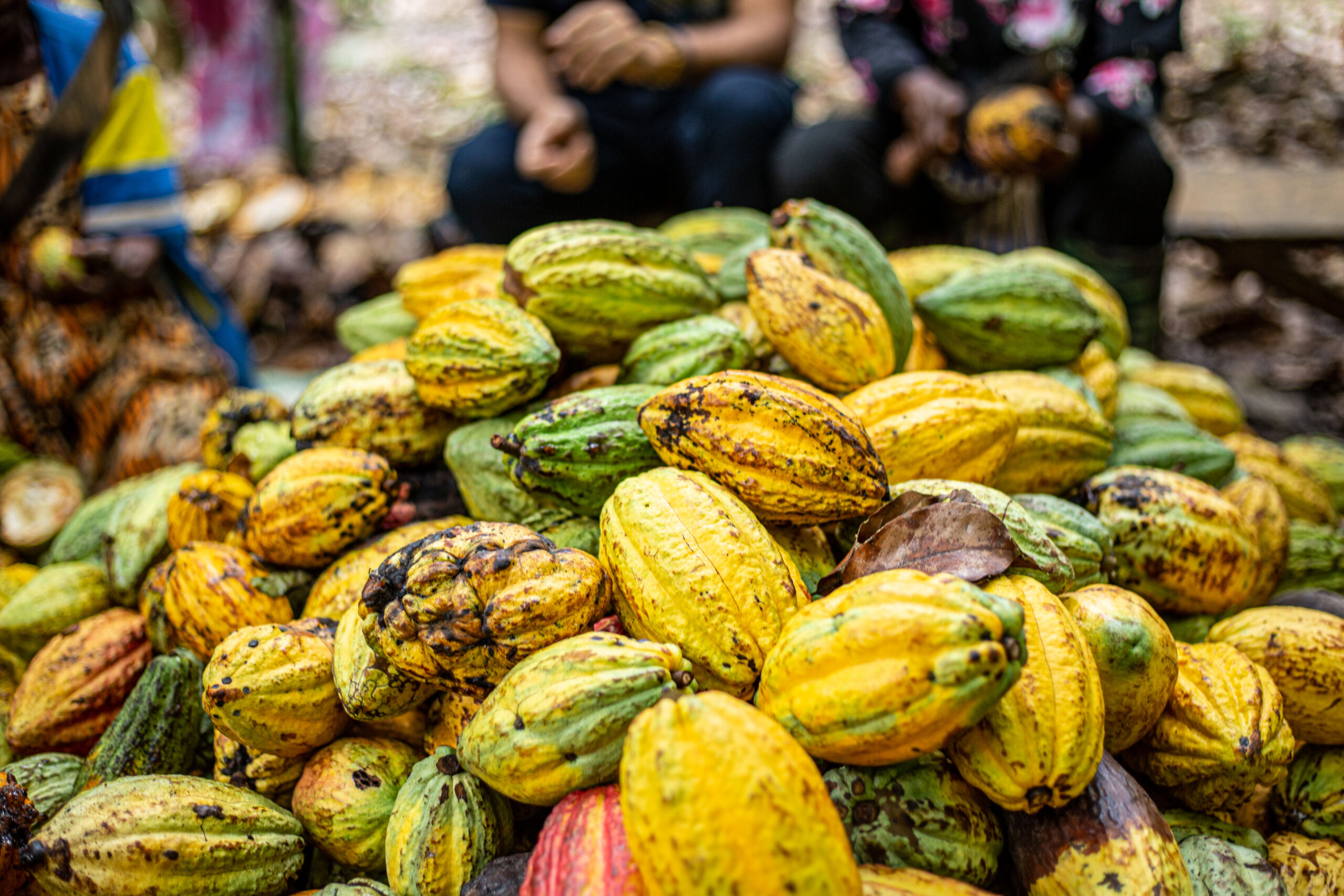
Ghana has announced that it will maintain the cocoa producer price for the 2025/26 Light Crop Season, a decision aimed at stabilising farmer incomes amid a steep decline in global cocoa prices.
The announcement, issued by the Ghana Cocoa Board (COCOBOD) on June 12, 2026, underscores government efforts to protect the livelihoods of cocoa farmers during one of the most turbulent periods the global cocoa market has seen in years.
According to COCOBOD, purchases for the Light Crop Season will begin on Thursday, June 18, 2026, with the producer price remaining at GH¢1,241.76 per 30‑kg load for Grade I and II beans, GH¢2,587 per 64‑kg bag, and GH¢41,392 per tonne. The decision comes despite a significant downturn in world cocoa prices, which have fallen sharply from the record highs seen in 2024 and early 2025.
This price maintenance marks a notable shift in tone from earlier government actions.
In February 2026, Ghana implemented a 28.6% cut to the farmgate price after world market prices plunged from an average of US$7,200 per tonne to below US$4,100, a move the Finance Minister, Dr Cassiel Ato Forson, said was necessary to reflect market realities and inject liquidity into the struggling sector.
The current decision to hold prices steady, rather than reduce them further, signals a renewed commitment to cushioning farmers from global volatility.
COCOBOD’s Public Affairs Department emphasised that the move aims to “provide stability and confidence to farmers” as the new season begins.
A Sector Under Pressure
Ghana’s cocoa industry has been under intense strain over the past three years.
Liquidity challenges at COCOBOD, delayed payments to farmers, and a buildup of unsold beans have created a difficult operating environment for both producers and Licensed Buying Companies (LBCs).
In early 2026, several LBCs warned they might suspend operations due to COCOBOD’s inability to honour Cocoa Taken Over Receipts (CTORs), the invoices used to pay for beans delivered to its sheds.
The global market downturn has only compounded these pressures. As prices fell, Ghana’s beans became increasingly uncompetitive compared to Côte d’Ivoire and other producers selling at lower rates.
This mismatch contributed to a backlog of unsold cocoa and heightened the risk of cross‑border smuggling—an issue that has cost Ghana an estimated 150,000 tonnes of beans in recent seasons.
Reforms Reshaping the Cocoa Landscape
The government’s decision to maintain prices comes amid sweeping reforms to overhaul the cocoa sector’s financial architecture.
In February 2026, Ghana announced it would abandon the 32‑year‑old syndicated loan model in favour of a domestic bond‑led financing system designed to improve liquidity and reduce reliance on foreign capital.
These reforms also include:
- Automatic price adjustment mechanisms tied to world market trends and exchange rates.
- A mandate that at least 50% of Ghana’s cocoa be processed locally beginning in the 2026/27 season, part of a broader push for value addition.
- A guaranteed minimum of 70% of gross FOB value to farmers under future pricing policies.
These measures aim to stabilise the sector, revive struggling LBCs, and ensure farmers receive a fairer share of global cocoa earnings.
Balancing Farmer Welfare and Market Realities
While the decision to maintain the producer price is expected to bring relief to farmers, it also places additional pressure on COCOBOD, which continues to grapple with debt and liquidity constraints.
However, analysts note that holding the price steady may help curb smuggling, protect national stock levels, and maintain farmer morale—especially as Ghana prepares for deeper structural reforms.
The Cocoa Post has long documented farmer frustrations over pricing, delayed payments, and rising production costs.
Maintaining the current price, even temporarily, may help rebuild trust between farmers and the state regulator while broader reforms take shape.
Looking Ahead
As the 2025/26 light crop season opens, Ghana faces a delicate balancing act: supporting farmers, restoring COCOBOD’s financial health, and navigating a volatile global market.
The maintained producer price offers short‑term stability, but the long‑term success of the sector will depend on the effective rollout of the government’s ambitious reform agenda.
For now, cocoa farmers can enter the new season with a measure of certainty—an increasingly rare commodity in today’s global cocoa economy.

- Ghana Maintains Cocoa Producer Price for 2025/26 Light Crop Season - June 12, 2026
- Ghana Cocoa Buyers to Halt Activities End of January Over Non-Payment - March 20, 2026
- Top Cocobod Executives Take Pay Cut - February 17, 2026